instagram.com/SpecialKidsEducation
Speech Delay vs Language Delay: What’s the Difference? This is one of the most common questions parents ask when they notice their child is not communicating as expected. Understanding speech delay vs language delay: what’s the difference? is essential because these two conditions affect different areas of communication and require different types of support. While both fall under communication development, speech delay vs language delay: what’s the difference? determines whether a child struggles with sound production or with understanding and using language itself. Early clarity helps families seek the right evaluation and intervention without unnecessary confusion.
Communication skills develop rapidly in early childhood. When delays appear, identifying whether it is speech-related or language-related changes the path forward significantly.
What Is a Speech Delay?
A speech delay refers to difficulty producing speech sounds clearly and accurately. Children with speech delay typically understand language well but struggle with pronunciation, articulation, or fluency.
Common Signs of Speech Delay
- Difficulty pronouncing certain sounds
- Speech that is hard for unfamiliar listeners to understand
- Substituting one sound for another (e.g., “wabbit” for “rabbit”)
- Omitting sounds in words
- Stuttering or disrupted speech rhythm
Children with speech delay often attempt to communicate actively. They may use gestures, facial expressions, and frequent attempts at conversation even if their speech is unclear.
What Speech Delay Does NOT Affect
Speech delay does not usually affect:
- Understanding instructions
- Vocabulary knowledge
- Social engagement
- Desire to communicate
This distinction is key when evaluating speech delay vs language delay: what’s the difference? because comprehension remains largely intact in speech delay.
What Is a Language Delay?
Language delay affects how a child understands and uses words, sentences, and meaning. The challenge lies in language processing rather than sound production.
Types of Language Delay
Language delay can be divided into two main categories:
Expressive Language Delay
Difficulty using words and sentences to express thoughts.
Receptive Language Delay
Difficulty understanding spoken language.
Some children experience both expressive and receptive challenges.
Common Signs of Language Delay
- Limited vocabulary for age
- Difficulty forming sentences
- Trouble following simple directions
- Difficulty answering questions
- Reduced interest in verbal interaction
When examining speech delay vs language delay: what’s the difference?, language delay typically involves broader communication challenges beyond pronunciation.
Speech Delay vs Language Delay: Side-by-Side Comparison
| Feature | Speech Delay | Language Delay |
|---|---|---|
| Sound clarity | Affected | Usually clear |
| Vocabulary size | Age-appropriate | Often limited |
| Sentence structure | Present | Delayed |
| Understanding instructions | Typical | Often affected |
| Social interaction | Usually engaged | May appear withdrawn |
This comparison helps clarify speech delay vs language delay: what’s the difference? in a practical way for parents observing everyday behavior.
Developmental Milestones: When Differences Become Noticeable
Understanding developmental milestones makes it easier to clarify speech delay vs language delay: what’s the difference? because age expectations guide early identification. While every child develops at their own pace, consistent patterns across milestones can signal whether the challenge involves sound production or broader language skills.
Typical Speech Milestones
Most children:
- Begin babbling by 6–9 months
- Say first words around 12 months
- Combine two words by 24 months
- Use short sentences by age three
When a child understands language well but struggles with sound clarity beyond expected ages, this often reflects speech delay.
Typical Language Milestones
Language development includes both understanding and expression. By age two, many children:
- Follow simple two-step directions
- Identify familiar objects
- Use 50+ words
- Combine words meaningfully
If comprehension is limited or vocabulary growth is slow, this may indicate language delay rather than speech delay.
Monitoring these milestones helps parents better understand speech delay vs language delay: what’s the difference? in a structured way rather than relying only on intuition.

How Speech Delay Appears in Daily Life
Children with speech delay often:
- Understand everything said to them
- Respond appropriately to questions
- Follow multi-step directions
- Become frustrated when others cannot understand their speech
During play, they may narrate actions or label objects even if pronunciation is unclear. Parents often say, “He talks all the time, but I can’t always understand him.”
How Language Delay Appears in Daily Life
Children with language delay may:
- Struggle to follow directions
- Use very short phrases
- Avoid verbal interaction
- Have difficulty answering simple questions
A parent might say, “She doesn’t seem to understand what I’m asking,” or “He doesn’t use many words.”
Again, understanding speech delay vs language delay: what’s the difference? helps families describe concerns more accurately during evaluations.
Can a Child Have Both?
Yes. Some children experience both speech and language delay simultaneously. In these cases, pronunciation challenges combine with limited vocabulary or comprehension difficulties.
Signs may include:
- Very limited speech
- Difficulty understanding simple language
- High frustration during communication
- Reduced social interaction
Combined delays require individualized intervention plans.
Emotional and Social Impact of Communication Delays
Beyond pronunciation or vocabulary, communication delays affect emotional well-being. Understanding speech delay vs language delay: what’s the difference? also means recognizing how each type of delay influences behavior and confidence.
Impact of Speech Delay
Children with speech delay may:
- Feel frustrated when misunderstood
- Avoid speaking in unfamiliar environments
- Become shy around peers
However, they usually understand social interaction and attempt to participate.
Impact of Language Delay
Language delay can affect:
- Social engagement
- Peer interaction
- Classroom participation
- Ability to follow group instructions
Because comprehension may be affected, children with language delay sometimes withdraw or appear inattentive.
Recognizing speech delay vs language delay: what’s the difference? allows parents and teachers to respond with empathy rather than assuming behavioral problems.
Why the Difference Matters for Early Intervention
Understanding speech delay vs language delay: what’s the difference? directly influences intervention strategies.
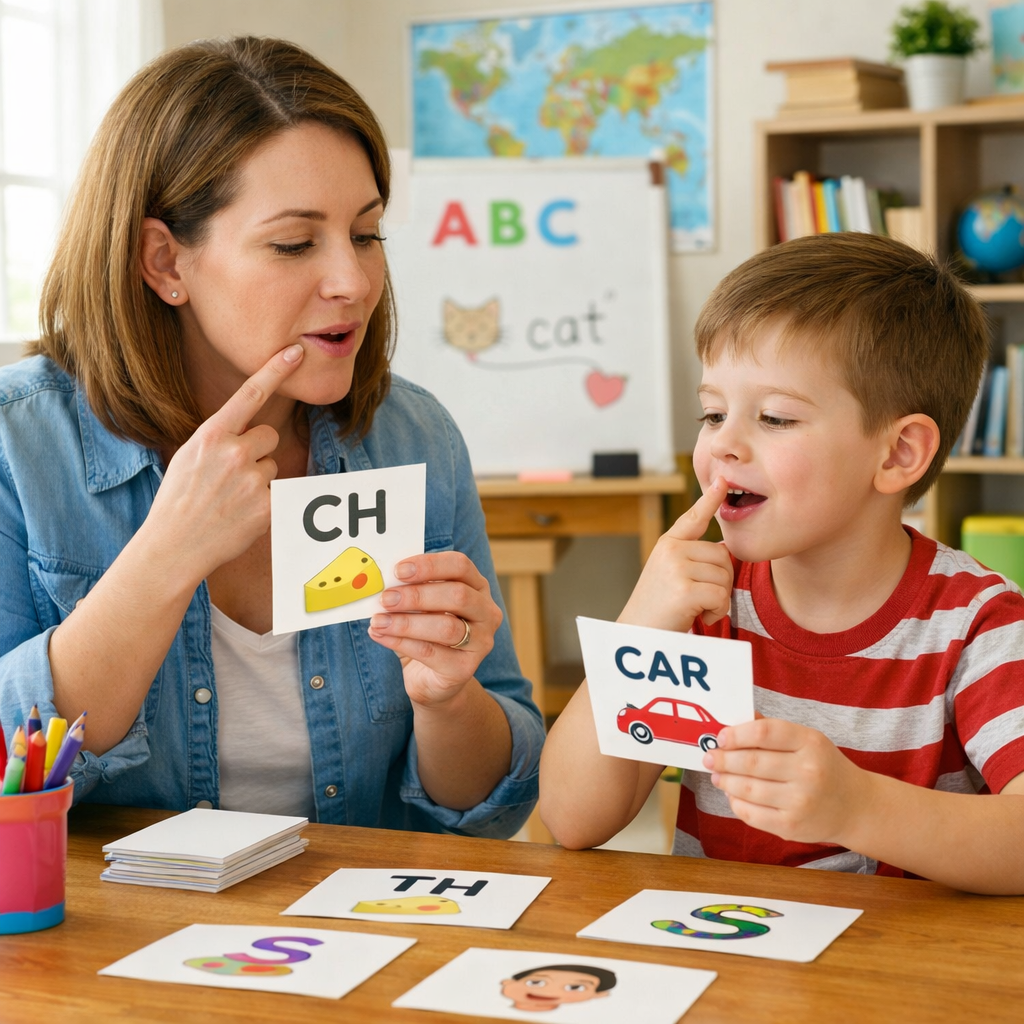
Speech Therapy for Speech Delay Focuses On:
- Articulation exercises
- Sound production drills
- Fluency techniques
- Speech clarity practice
Intervention for Language Delay Focuses On:
- Vocabulary expansion
- Sentence formation
- Comprehension skills
- Conversational practice
Correct identification ensures efficient and targeted support.
For foundational understanding of communication disorders, see our guide:
Speech and Language Disorders in Children: Early Intervention Matters
When Should Parents Seek Help?
Parents should consider evaluation if:
- Delays persist beyond expected milestones
- Frustration increases
- Communication progress stalls
- Teachers or caregivers raise concerns
Speech-language pathologists assess both sound production and language comprehension to determine whether the concern is speech delay vs language delay.
Professional Evaluation Process
During assessment, professionals observe:
- Sound clarity and articulation
- Vocabulary size
- Sentence structure
- Ability to follow instructions
- Use of gestures and social interaction
Evaluation is play-based and child-friendly. It identifies strengths as well as areas needing support.
Supporting Communication at Home
Regardless of whether the issue is speech or language, parents can support development by:
- Reading aloud daily
- Encouraging imitation of sounds
- Expanding on child’s words
- Using simple, clear language
- Practicing turn-taking games
Consistency matters more than intensity.
Long-Term Outlook and Academic Considerations
When evaluating speech delay vs language delay: what’s the difference?, long-term development is an important consideration. Early intervention significantly improves outcomes for both conditions, but academic impact may differ depending on the type of delay.
Academic Impact of Speech Delay
Speech delay primarily affects:
- Oral presentations
- Reading aloud
- Peer communication
If comprehension remains strong, academic understanding is often unaffected.
Academic Impact of Language Delay
Language delay may influence:
- Reading comprehension
- Writing skills
- Vocabulary acquisition
- Understanding classroom instructions
Because language forms the foundation of literacy, untreated language delay can have broader academic consequences.
Early identification of speech delay vs language delay: what’s the difference? ensures children receive targeted support before academic gaps widen.
For a broader understanding of communication development and early intervention, revisit:
Speech and Language Disorders in Children: Early Intervention Matters
Speech Delay vs Language Delay: What’s the Difference? Final Clarification
Speech Delay vs Language Delay: What’s the Difference? The answer lies in whether the child struggles with how words sound or with how language is understood and used. Recognizing speech delay vs language delay: what’s the difference? empowers families to seek appropriate support early. When parents clearly understand speech delay vs language delay: what’s the difference?, they can advocate effectively for their child and ensure targeted intervention. Early clarity leads to better outcomes in communication, learning, and social confidence.