instagram.com/SpecialKidsEducation

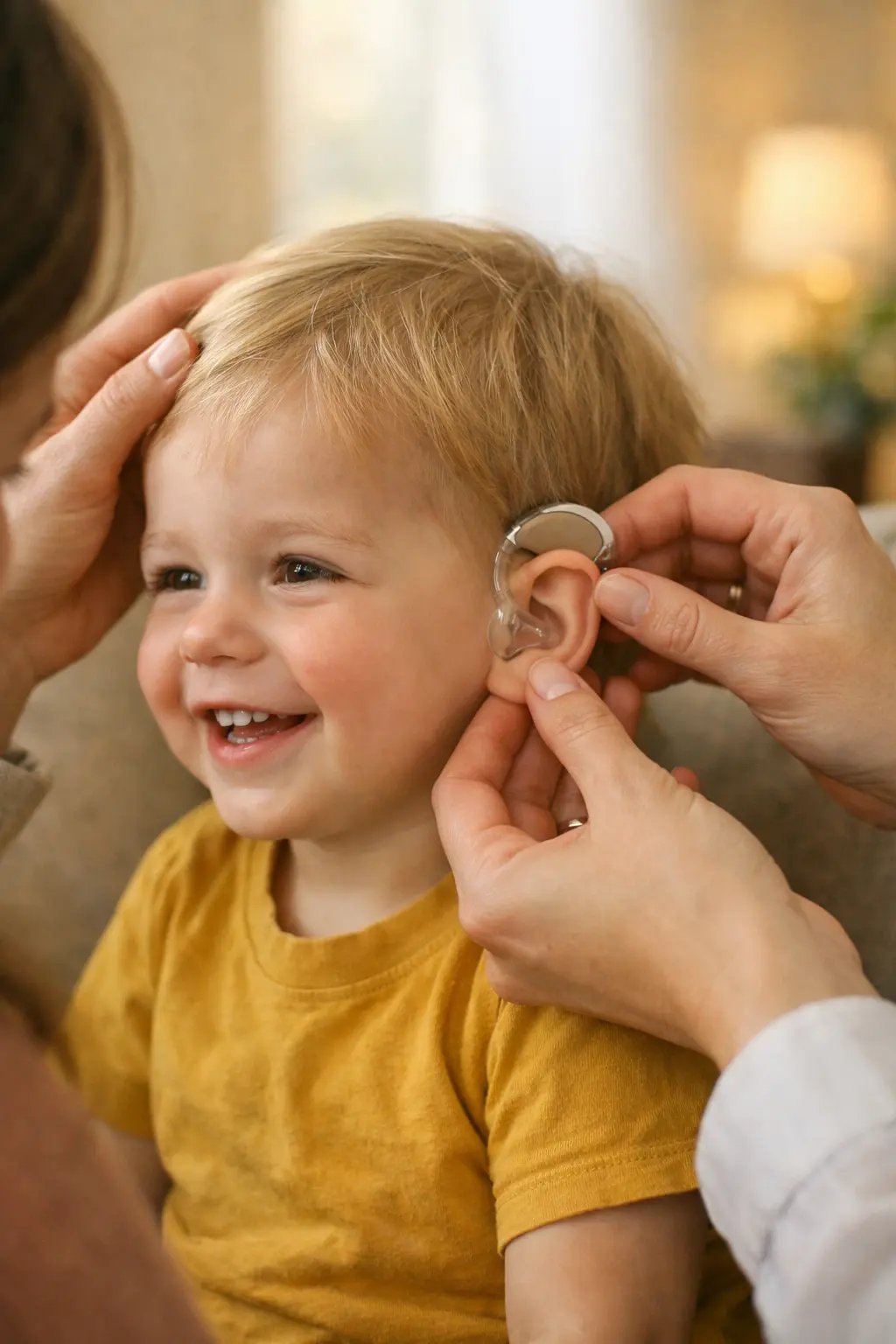
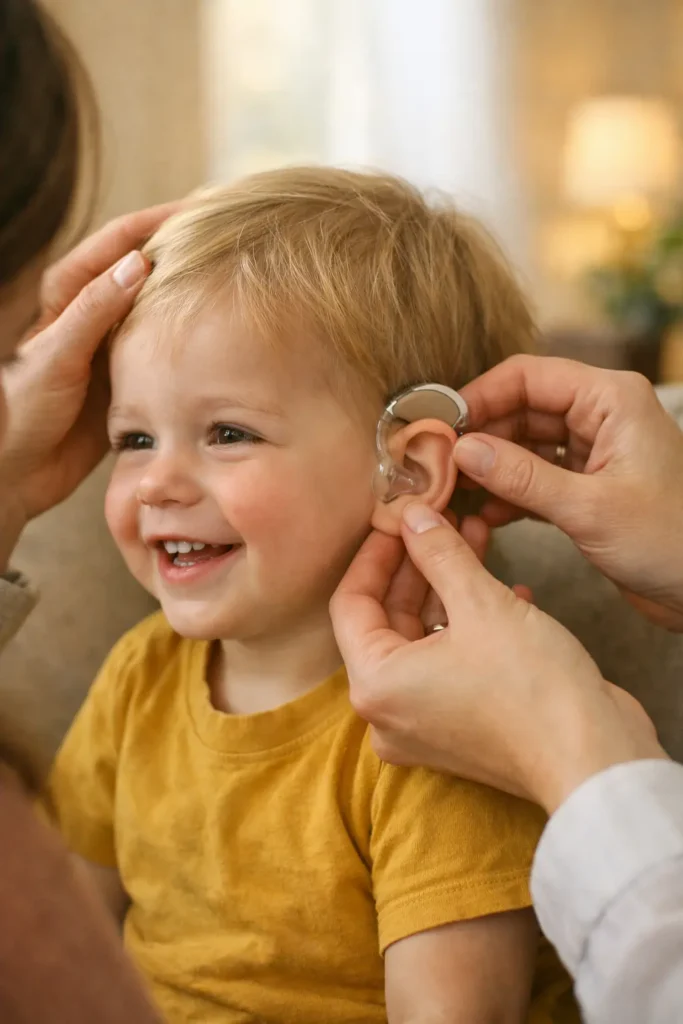
The moment your child is fitted with hearing aids for children marks the beginning of a new chapter—one filled with hope, new sounds, and unique challenges. This comprehensive guide is designed specifically for parents navigating this journey. We will walk you through the entire process, from understanding the initial fitting appointment and managing the emotional adjustment period, to mastering the daily care and maintenance that keeps these vital devices working. Whether your child is newly diagnosed with hearing loss or you’re seeking to improve your current routine, this parent’s guide provides the practical knowledge and compassionate support you need to help your child embrace their hearing aids and thrive in a world of sound.
Every parent wants their child to experience the richness of sound, from a lullaby to a friend’s laughter. That’s precisely why understanding hearing aids for children is so vital. These sophisticated devices are more than just amplifiers; they are the gateway to language, learning, and social connection. This guide focuses specifically on the journey with hearing aids for children, offering the practical advice families need most.
Understanding the First Fitting: What to Expect
The first fitting appointment is a significant milestone. It’s not just about turning the devices on; it’s about programming them to your child’s unique hearing loss profile. The audiologist will:
- Verify the Fit: Ensure the earmolds or domes fit comfortably and securely in your child’s ears.
- Program the Aids: Connect the hearing aids for children to a computer and adjust settings based on your child’s audiogram.
- Teach Basic Use: Show you how to turn them on/off, change batteries, and clean them.
- Set Realistic Expectations: Explain that the full benefit takes time and that your child’s brain needs to learn to interpret the new sounds.
For many children, especially infants and toddlers, the first fitting is the start of a gradual process of adjustment to hearing aids. It’s common for them to pull them out initially—patience is key. This initial step is a crucial part of the broader support system for childhood hearing loss, as outlined in our pillar resource on Supporting Children with Hearing Loss: Communication and Inclusion.
Remember, the audiologist is your partner in this process. They have extensive experience with hearing aids for children and can answer any question, no matter how small. Building a strong relationship with them is key to long-term success with your child’s hearing aids.
Navigating the Adjustment Period: A Guide for Parents
The first few weeks with hearing aids for children are a learning curve for the whole family. Here’s how to navigate it successfully.
Emotional and Behavioral Adjustments
Your child may react in unexpected ways. They might be fascinated, overwhelmed, or completely indifferent to the new sounds. It’s crucial to:
- Start Slowly: Gradually increase wearing time. Begin with a few hours in a quiet environment and build up.
- Create Positive Associations: Pair wearing the hearing aids with favorite activities like story time or play.
- Stay Calm and Consistent: Your reaction to them pulling out the aids influences their reaction. Gently and consistently reinsert them without frustration.
Practical Challenges and Solutions
- Feedback (Whistling): This common issue often means the fit isn’t perfect or there’s wax buildup. Consult your audiologist.
- Lost or Damaged Aids: This is a parent’s nightmare. Establish a routine: always store them in the same safe, dry place (away from pets!) at night.
- Battery Life: Keep a log of how long batteries last and always carry spares. For younger children, secure the battery door with medical tape as a safety precaution.
Patience during this time cannot be overstated. Every child’s journey with hearing aids for children is unique. Some adapt within days, while others need weeks. Trust the process, celebrate small victories, and know that consistency with wearing the hearing aids is what ultimately leads to the best auditory outcomes.
Mastering Daily Care: Keeping Hearing Aids in Top Condition
Consistent daily care is essential for the longevity and performance of hearing aids for children. Make these steps part of your routine. Just as you teach your child to brush their teeth, establishing a routine for hearing aids for children ensures their longevity and performance. These daily habits protect your investment and guarantee that the hearing aids are always ready to provide clear, consistent sound.
Morning Routine: The Check
- Visual Inspection: Check the earmold for earwax or debris. Look at the tubing for any signs of moisture or discoloration.
- Listening Check: Use a stethoscope or simply cup the aid in your hand and listen. Does it sound clear and strong?
- Secure Placement: Ensure the battery door closes securely and the aid is properly placed on your child’s ear.
Evening Routine: The Clean and Store
- Wipe Down: Use a soft, dry cloth to wipe the entire device. Never use water or cleaning solutions.
- Wax Removal: Use the small brush or wax pick provided by your audiologist to gently clean the earmold and receiver opening.
- Open Battery Door: This prevents battery drain and allows moisture to escape overnight.
- Use a Dehumidifier: Place the aids in a dry-aid kit or dehumidifier box every night to remove moisture and prolong their life.
Advanced Care and Troubleshooting
Beyond daily cleaning, be aware of these common issues and solutions:
- Moisture Damage: If aids get wet, don’t turn them on. Open the battery door and place them in the dehumidifier immediately. Call your audiologist.
- Tubing Replacement: For behind-the-ear (BTE) models, the tubing can harden or discolor over time and needs professional replacement every few months.
- Regular Professional Checkups: Schedule appointments every 3-6 months for cleaning, performance checks, and to monitor your child’s hearing levels.
Fostering Independence and Positive Self-Esteem
As your child grows, their relationship with their hearing aids will evolve. Your goal is to help them see the devices as a positive tool, not a burden.
- Involve Them in Care: Teach them, age-appropriately, to handle and clean their hearing aids.
- Use Positive Language: Talk about the “superpower” of hearing aids that helps them hear birds, music, and friends.
- Connect with Peers: If possible, connect with other families of children with hearing loss. This normalizes the experience and builds community. This sense of belonging is also key to fostering social inclusion, a topic we explore in depth in our guide on Supporting Social Skills and Friendships in Children with Hearing Loss (gelecek içerik).
- Advocate at School: Work with the school to ensure teachers understand the basics of the aids and any needed accommodations, like using an FM system.
Troubleshooting Common Problems: A Quick Reference Guide
| Problem | Possible Cause | Solution |
|---|---|---|
| Device not working | Dead battery, battery door open, clogged earmold | Replace battery, close door, clean earmold |
| Feedback/Whistling | Poor earmold fit, earwax buildup, loose tubing | Reseat earmold, clean earwax, consult audiologist |
| Sound is distorted/weak | Moisture damage, clogged microphone | Place in dehumidifier, clean gently, see audiologist if persists |
| Device keeps falling off | Wrong size earmold, worn-out tubing | Consult audiologist; may need new earmold/tubing |
The world of pediatric audiology is constantly advancing, and today’s hearing aids for children are more durable, powerful, and child-friendly than ever before. From water-resistant models to devices that connect wirelessly to classrooms, the technology supporting hearing aids for children continues to break down barriers and open up new possibilities.
Conclusion: Embracing the Journey with Hearing Aids for Children
The path of raising a child with hearing aids for children is filled with unique joys and challenges. From the anticipation of the first fitting to the nightly routine of cleaning and storage, each step is an act of love and advocacy. Remember that the goal of hearing aids is not just to amplify sound, but to unlock a world of connection, language, and learning. By understanding the fitting process, patiently guiding adjustment, and mastering daily care, you build a strong foundation for your child’s auditory development. Celebrate every new sound they discover, and know that with your support, they will use their hearing aids to confidently find their place in the world.