instagram.com/SpecialKidsEducation
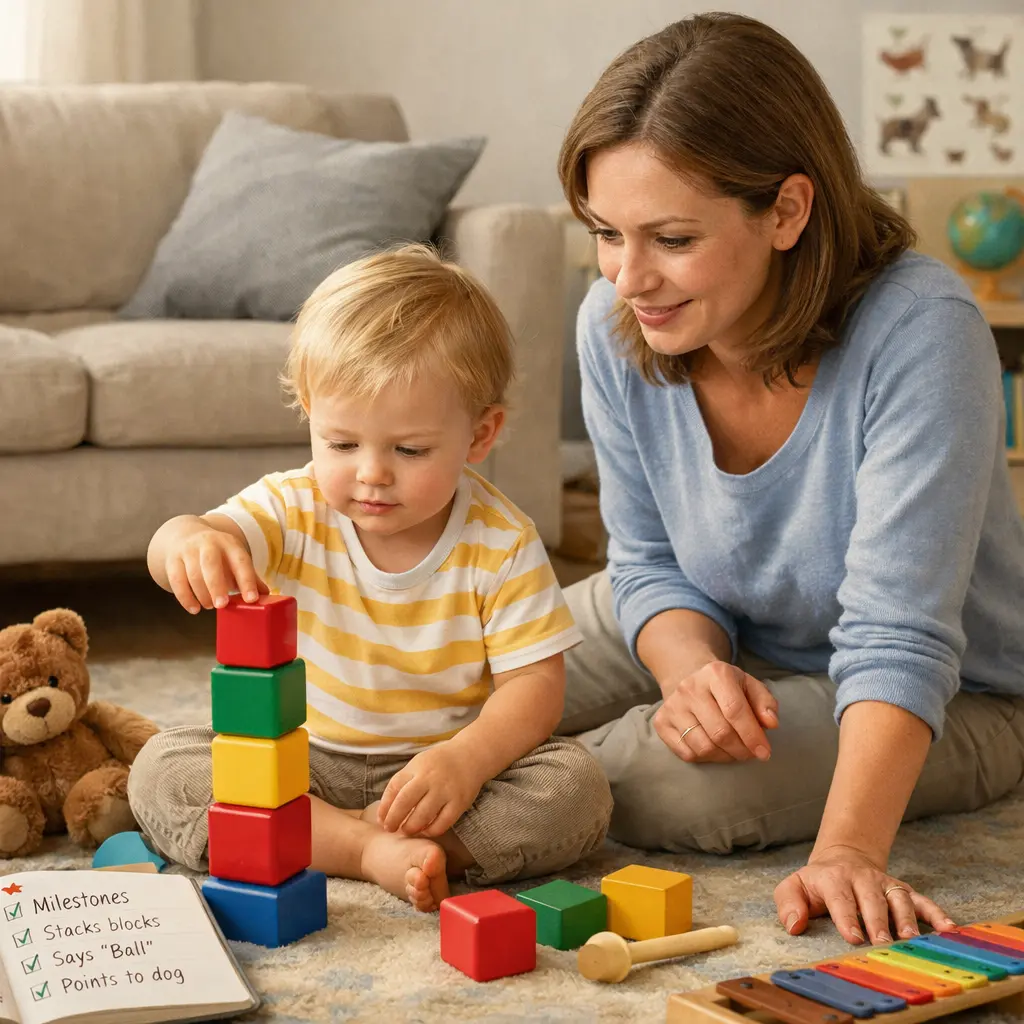
Understanding Early Signs of Autism Spectrum Disorder
Early signs of Autism Spectrum Disorder (ASD) often appear during the first years of life, usually before the age of three. Autism affects how children communicate, interact socially, and respond to their environment. While every child develops at their own pace, certain patterns may indicate the need for closer observation.
Recognizing early signs of autism spectrum disorder in toddlers and young children allows families to seek guidance and support as early as possible. Early awareness does not mean a diagnosis, but it plays a critical role in helping children access appropriate developmental support.
Parents and caregivers are often the first to notice subtle differences in behavior, communication, or social interaction. Understanding what to look for can reduce uncertainty and empower families to take informed next steps.
Why Early Identification of Autism Matters
Early identification of autism spectrum disorder can make a meaningful difference in a child’s developmental journey. Research consistently shows that early support and intervention can improve communication skills, social engagement, and daily functioning.
When early signs of autism are recognized:
- Families gain clarity and direction
- Children can receive tailored developmental support
- Stress and uncertainty may be reduced
It is important to remember that autism is a spectrum. Early signs can vary widely from child to child, and no single behavior confirms autism on its own.
Common Early Signs of Autism in Toddlers and Young Children
Delayed or Limited Speech Development
One of the most commonly noticed early signs of autism spectrum disorder is delayed speech or language development. Some toddlers may not use words by the expected age, while others may lose words they previously used.
Possible indicators include:
- Not babbling or using gestures by 12 months
- Not saying single words by 16 months
- Limited or absent use of phrases by age two
Speech delays alone do not mean autism, but when combined with other signs, they may warrant further observation.
Reduced Social Interaction and Engagement
Young children with autism may show differences in how they interact socially. These signs can appear subtle but consistent over time.
Examples include:
- Limited eye contact
- Rarely smiling in response to others
- Preferring to play alone rather than with caregivers or peers
Some toddlers may not seek comfort when upset or may appear unaware of people around them.
Limited Use of Gestures and Nonverbal Communication
Nonverbal communication plays a key role in early development. Many toddlers naturally point, wave, or show objects to share interest. Children with autism spectrum disorder may use fewer gestures or rely less on nonverbal cues.
Early signs may include:
- Not pointing to show interest
- Limited use of facial expressions
- Difficulty understanding gestures from others
These differences can affect how children communicate their needs and interests.
Repetitive Behaviors and Restricted Interests
Repetitive behaviors are another common early sign of autism in young children. These behaviors may provide comfort or predictability for the child.
Examples include:
- Repeating the same actions or movements
- Lining up toys instead of playing with them
- Strong attachment to specific objects
While repetitive behaviors can appear in typically developing children, their frequency and intensity may be higher in children with autism.
Sensitivity to Sensory Experiences
Many toddlers with autism spectrum disorder show unusual responses to sensory input. This can include sensitivity to sounds, textures, lights, or movement.
Possible signs include:
- Covering ears in response to everyday sounds
- Strong reactions to certain clothing textures
- Avoiding specific foods due to texture
Sensory sensitivities can significantly influence a child’s daily experiences and behavior.
Difficulty With Changes in Routine
Young children with autism often prefer predictability and routine. Changes in daily activities may cause distress or frustration.
Early indicators include:
- Strong reactions to small changes
- Difficulty transitioning between activities
- Rigid adherence to routines
These behaviors are linked to a need for structure and predictability.
Early Signs of Autism in Very Young Children (Under 2 Years)
In some cases, early signs of autism spectrum disorder may be noticeable before the age of two. These signs can be subtle and easily overlooked.
They may include:
- Limited response to name
- Reduced interest in social games
- Minimal imitation of sounds or actions
Observing these patterns over time is more important than focusing on isolated behaviors.
What Early Signs of Autism Do NOT Mean
Seeing early signs of autism can be emotionally challenging for families. It is essential to understand that:
- Developmental differences do not equal a diagnosis
- Children develop at different rates
- Many signs may overlap with other developmental variations
Only qualified professionals can diagnose autism spectrum disorder. Early observation is about awareness, not labeling.
When Parents Should Consider Professional Guidance
If multiple early signs of autism spectrum disorder are present consistently, seeking professional guidance can provide clarity and reassurance.
Parents may consider:
- Discussing concerns with a pediatrician
- Requesting developmental screening
- Observing progress over time
Early guidance helps families make informed decisions without unnecessary delay.
Supporting Toddlers While Observing Development
While monitoring early signs, parents can support their child’s development at home by:
- Encouraging interaction through play
- Using clear and simple language
- Creating predictable routines
These supportive strategies benefit all children, regardless of diagnosis.
Early Awareness Empowers Families
Recognizing early signs of autism spectrum disorder in toddlers and young children is about empowerment, not fear. Early awareness gives families the opportunity to understand their child’s unique needs and strengths.
With patience, observation, and the right support, children can continue to grow and develop in meaningful ways.
For a broader understanding of autism spectrum disorder, its characteristics, and general support approaches, you may also find our article “What Is Autism Spectrum Disorder (ASD)?” helpful.