instagram.com/SpecialKidsEducation

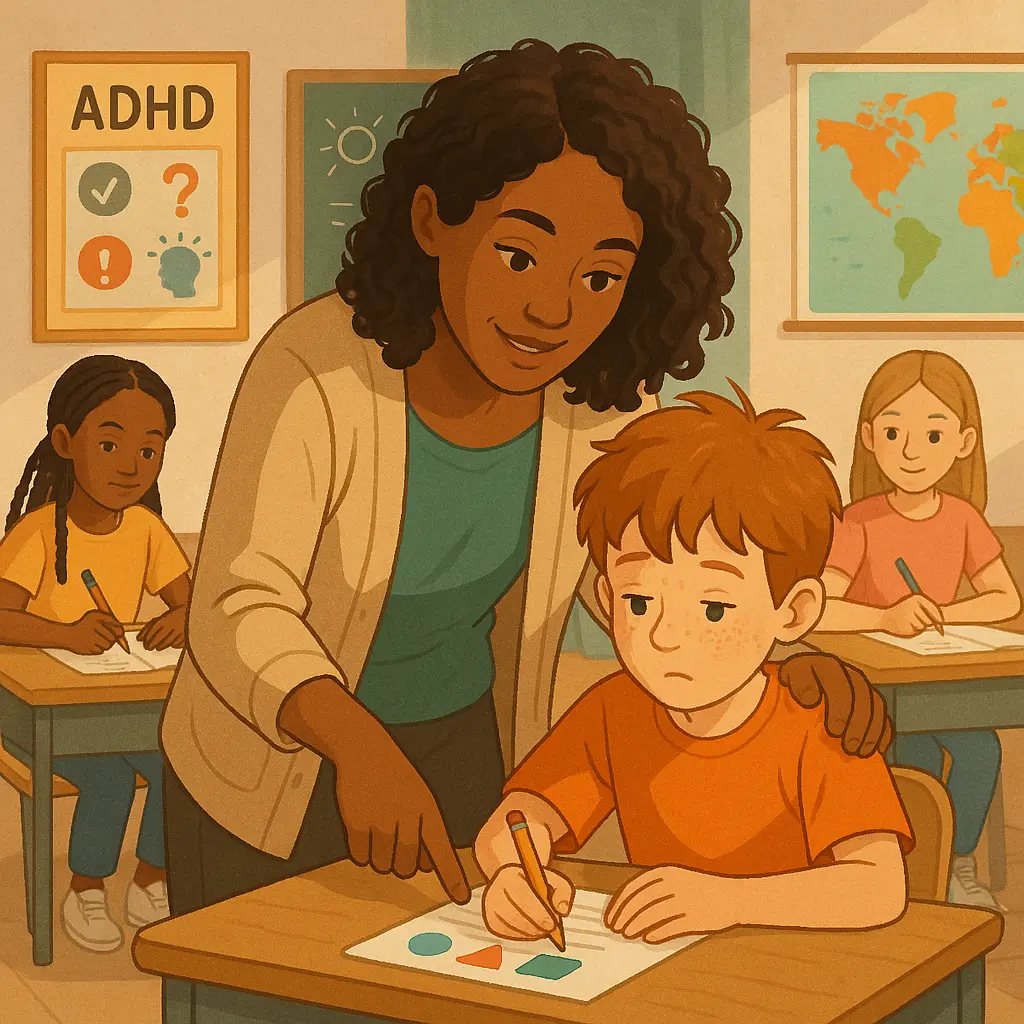
Attention-Deficit/Hyperactivity Disorder (ADHD) is a common neurodevelopmental condition that affects how children pay attention, control impulses, and regulate activity levels. While many children show high energy or occasional inattention, ADHD is persistent and appears in multiple settings such as home, school, and social environments. Early recognition and consistent support help children manage symptoms and succeed academically and socially.
What is ADHD?
ADHD involves patterns of inattention, hyperactivity, and impulsivity that interfere with daily functioning. These patterns are grouped into three presentations: inattentive, hyperactive-impulsive, and combined. The condition is not a reflection of intelligence or willpower; instead, it is linked to brain development, genetics, and environmental factors.
Inattentive presentation
Children with primarily inattentive ADHD may struggle to sustain focus, follow multi-step instructions, or complete assignments. They often appear dreamy or easily distracted, and they may make careless mistakes in schoolwork.
Hyperactive-impulsive presentation
This presentation is characterized by constant movement, difficulty staying seated, and acting without thinking. Children may interrupt conversations, climb at inappropriate times, or have trouble waiting for their turn in group activities.
Combined presentation
Most commonly, children exhibit a combination of inattentive and hyperactive-impulsive traits, which can present unique challenges that vary by situation and age.
Causes and risk factors
ADHD has no single cause. Genetics play a significant role, and brain imaging studies show differences in regions that regulate attention and impulse control. Prenatal exposure to substances, premature birth, low birth weight, and exposure to environmental toxins can increase risk. Psychosocial stressors do not cause ADHD but can worsen symptoms.
Early signs to watch for
Symptoms often emerge in early childhood but may be most noticeable when children face increased demands at school. Parents and teachers should look for persistent patterns, such as:
- Difficulty following instructions across different settings.
- Frequently losing items needed for daily tasks.
- Trouble organizing tasks and completing homework on time.
- Constant fidgeting, tapping, or inability to remain seated.
- Interrupting others or blurting out answers impulsively.
Consistency across settings and the degree to which symptoms affect functioning are key to distinguishing ADHD from normal developmental behaviors.
Diagnosis and assessment
A comprehensive assessment typically involves input from parents, teachers, and clinicians. Professionals use standardized behavior rating scales and interviews to build a picture of how a child behaves in different contexts. Medical evaluations can rule out hearing, vision, sleep problems, or other medical issues that mimic ADHD symptoms. Careful assessment over time ensures accurate diagnosis and tailored support plans.
Practical classroom strategies
Teachers can implement simple changes that make a big difference:
- Break lessons into short, manageable steps and check for understanding frequently.
- Use clear, concise instructions and repeat them when needed.
- Seat the child near the teacher and away from distractions.
- Incorporate movement into lessons, such as short activity breaks or hands-on tasks.
- Offer immediate, specific positive feedback for desired behaviors.
Collaboration with special educators and school psychologists often results in an individualized education plan or accommodations that support learning and behavior.
Home routines and strategies
At home, structure and predictability provide stability for children with ADHD:
- Create consistent morning and evening routines to reduce anxiety.
- Use visual schedules and checklists to help with organization.
- Break tasks into small steps with frequent breaks and rewards.
- Implement clear rules and consistent, calm consequences.
- Encourage physical activity to help manage energy and improve sleep quality.
Parent training programs can teach behavior management techniques that improve outcomes for both children and families.
Social skills and peer relationships
Impulsivity and difficulty interpreting social cues can strain friendships. Structured opportunities to practice social skills, such as guided playdates with clear rules or social skills groups, help children learn turn-taking, perspective-taking, and empathy. Praise specific social behaviors to reinforce positive interactions.
Medication and therapy
Medication may be recommended for moderate to severe cases and can significantly reduce core symptoms for many children. Stimulant medications and several non-stimulant options are available. Medication is most effective when combined with behavioral interventions, school supports, and parent training. Regular monitoring by a healthcare professional ensures safety and effectiveness.
Transitioning into adolescence
ADHD symptoms change with age. Hyperactivity may reduce, but challenges with organization, time management, and emotional regulation can persist into adolescence and adulthood. Adolescents benefit from coaching on executive skills, planning tools, and supports that foster independence, such as gradual increases in responsibility and structured practice of daily living skills.
Short case example
A nine-year-old named Sam struggled with homework and lost materials frequently. His teacher introduced a weekly checklist, brief movement breaks, and positive feedback tokens. His parents mirrored the checklist at home and set a consistent homework routine. Within two months, Sam’s assignment completion rate improved, and his stress around homework decreased. This example shows how small, consistent changes across school and home produce real gains.
Frequently asked questions
Q: Will my child outgrow ADHD?
A: Some symptoms change over time, and some individuals experience fewer impairments, but many continue to have ADHD traits into adolescence and adulthood. Early support improves long-term outcomes.
Q: Does sugar cause ADHD?
A: Research does not support sugar as a cause of ADHD. However, high sugar intake can worsen behavior or make self-regulation harder for some children.
Q: Should my child take medication?
A: Medication decisions are individual and should be made with a qualified clinician, weighing benefits and side effects and considering behavior interventions first.
Conclusion
ADHD is a lifelong neurodevelopmental condition for many, but early recognition, clear routines, evidence-based supports, and strong collaboration between families and schools create conditions for success. With understanding and consistent strategies, children with ADHD can flourish academically and socially, developing strengths such as creativity, resilience, and problem-solving.