instagram.com/SpecialKidsEducation
Physical Disabilities in Children, often called orthopedic impairments, face unique challenges that affect mobility, participation, and independence. These conditions can be congenital (present at birth) or acquired through illness or injury. While medical management is essential, everyday learning, social inclusion, and practical supports are equally important for a child’s development. Early identification, coordinated care, and school-based adaptations help children access education, build confidence, and participate fully in family and community life.
What Are Orthopedic Impairments?
Orthopedic impairments include a wide range of conditions that limit how a child moves or uses their body. Some children walk with minimal difficulty; others need wheelchairs, braces, or walking aids. Common functional effects include reduced range of motion, balance problems, muscle weakness, and challenges with fine motor tasks such as writing or buttoning clothing. Recognizing the individual profile of strengths and needs allows families and educators to design supports that promote independence rather than restrict opportunity.
Common Causes and Conditions
Congenital and Developmental Conditions
Many physical disabilities originate before or shortly after birth. Cerebral palsy, for example, results from early brain differences and often affects muscle tone and coordination. Neural tube defects such as spina bifida impact spinal nerves and mobility. Congenital limb differences or joint conditions may require surgical or therapeutic intervention.
Acquired Causes
Children can also develop orthopedic impairments after birth due to trauma, infections, or progressive diseases. Spinal cord injuries, fractures, or illnesses like juvenile arthritis and certain neuromuscular disorders can alter strength and endurance over time. Early rehabilitation and ongoing medical follow-up are important for adapting to changing needs.
Early Signs Parents and Teachers Should Notice
Early recognition is key to timely intervention. Signs to watch for include:
- Delayed motor milestones (late crawling or walking).
- Persistent limp, uneven use of arms or legs, or poor balance.
- Difficulty with fine motor tasks (e.g., holding a pencil, manipulating small objects).
- Frequent fatigue, pain after short activities, or withdrawal from playground play.
- Reliance on unusual movements or positions to complete tasks.
If these signs appear, a pediatrician, physiotherapist, or occupational therapist assessment is recommended. Early supports can prevent secondary problems and improve participation.
Educational Challenges
Physical impairments can create barriers beyond mobility. Standard classroom routines and materials assume typical motor skills; without accommodation, children may struggle to:
- Complete handwritten work or keep pace with classroom activities.
- Participate in lab, art, or PE activities without adapted tools.
- Move between classes or access facilities independently.
- Maintain attention when physical discomfort or fatigue is present.
Addressing these gaps means focusing on access to the curriculum and flexible demonstration of learning rather than strict conformity to traditional methods.
Practical Classroom Strategies
Environmental Adjustments
Rearrange furniture to ensure clear wheelchair routes, reduce clutter, and provide adjustable desks and supportive seating. Accessible bathrooms, ramps, and doorways are essential. Small layout changes remove daily barriers and increase independence.
Instructional Adaptations
Offer alternatives to handwriting (typing, speech-to-text, or scribe support). Break assignments into shorter steps, use visual checklists, and allow extra time for transitions. Provide adapted manipulatives for math and science so children can engage hands-on with materials.
Physical Education and Play
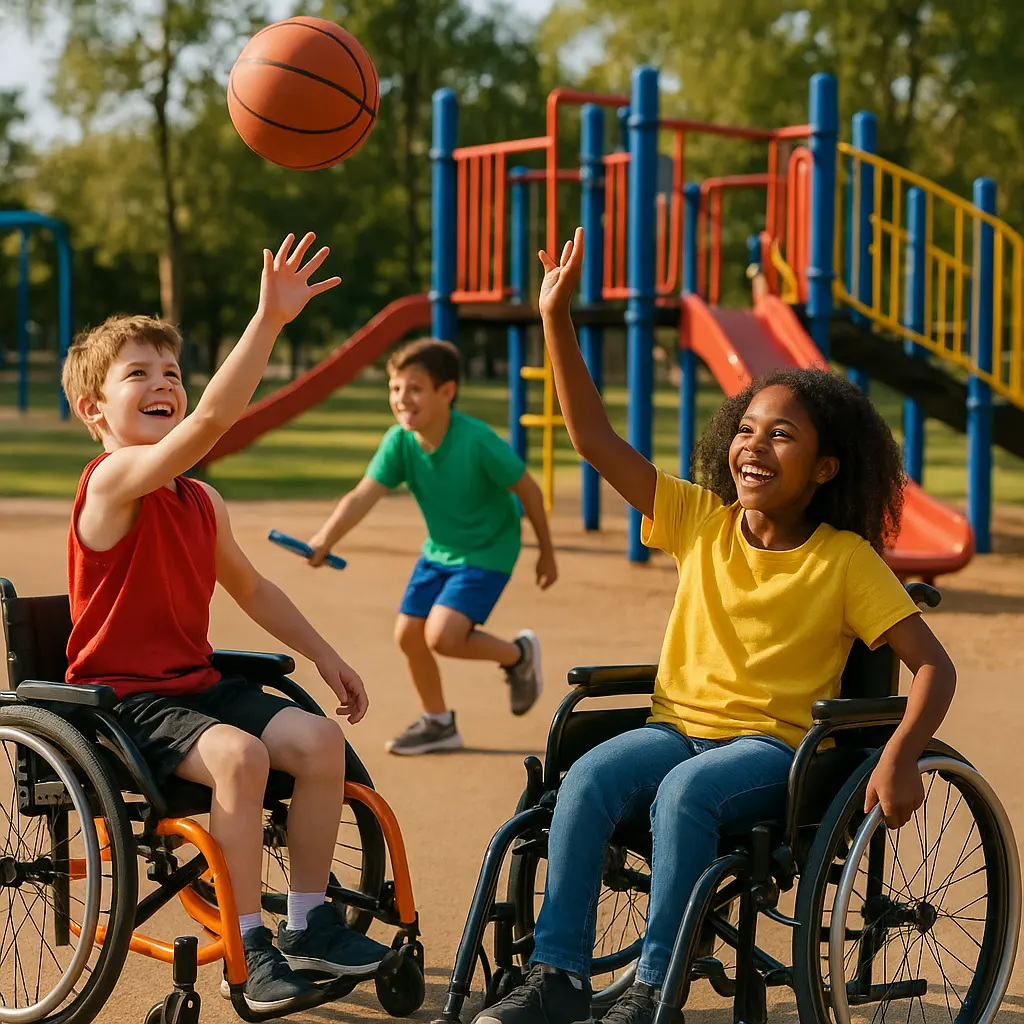
Design inclusive PE by emphasizing skill-building and cooperation over competition. Use adaptive equipment, modify rules, and create parallel activities so children join in safely and enjoyably. Encourage peer support and mixed-ability teams.
Supporting Independence at Home
Families can promote autonomy with gradual skill teaching and practical adaptations. Use adaptive tools (button hooks, dressing aids), create safe, reachable storage, and install ramps or grab bars as needed. Practice self-care tasks in small steps, celebrate progress, and involve children in age-appropriate responsibilities to build confidence.
Therapy, Medical Supports, and Aids
Coordinated medical and therapeutic care supports long-term function. Physical therapy works on strength, balance, and mobility; occupational therapy targets fine motor skills and daily living tasks. Orthopedic consultations may recommend braces, orthotics, or surgeries when indicated. Mobility aids, standing frames, and adapted seating help with posture, participation, and endurance.
Social and Emotional Wellbeing
Inclusion and belonging are as important as physical access. Children may feel different, frustrated, or excluded—leading to lowered self-esteem. Promote social inclusion with buddy systems, classroom roles, and activities that highlight each child’s strengths (art, leadership, problem solving). Counseling or peer-support groups can help children process feelings and build resilience.
Transition Planning and Long-Term Goals
Plan ahead for transitions—between grades, to secondary school, or toward vocational training. Teach self-advocacy skills, involve the child in planning decisions, and set measurable goals for independence and learning. Community-based programs and early vocational exposure support successful long-term outcomes.
Family Advocacy and Community Resources
Parents often lead advocacy for IEPs, accessibility improvements, and appropriate services. Connecting with therapists, parent networks, and local disability organizations provides practical ideas, equipment guidance, and emotional support. Schools should proactively engage families and make resources accessible to all households.
Conclusion
Children with orthopedic impairments have strengths, talents, and the right to full participation. Thoughtful environmental adaptations, individualized instruction, and attention to social and emotional needs enable effective learning and growing independence. By focusing on removing unnecessary barriers and building on abilities, families, schools, and communities can ensure every child with a physical disability thrives.