instagram.com/SpecialKidsEducation
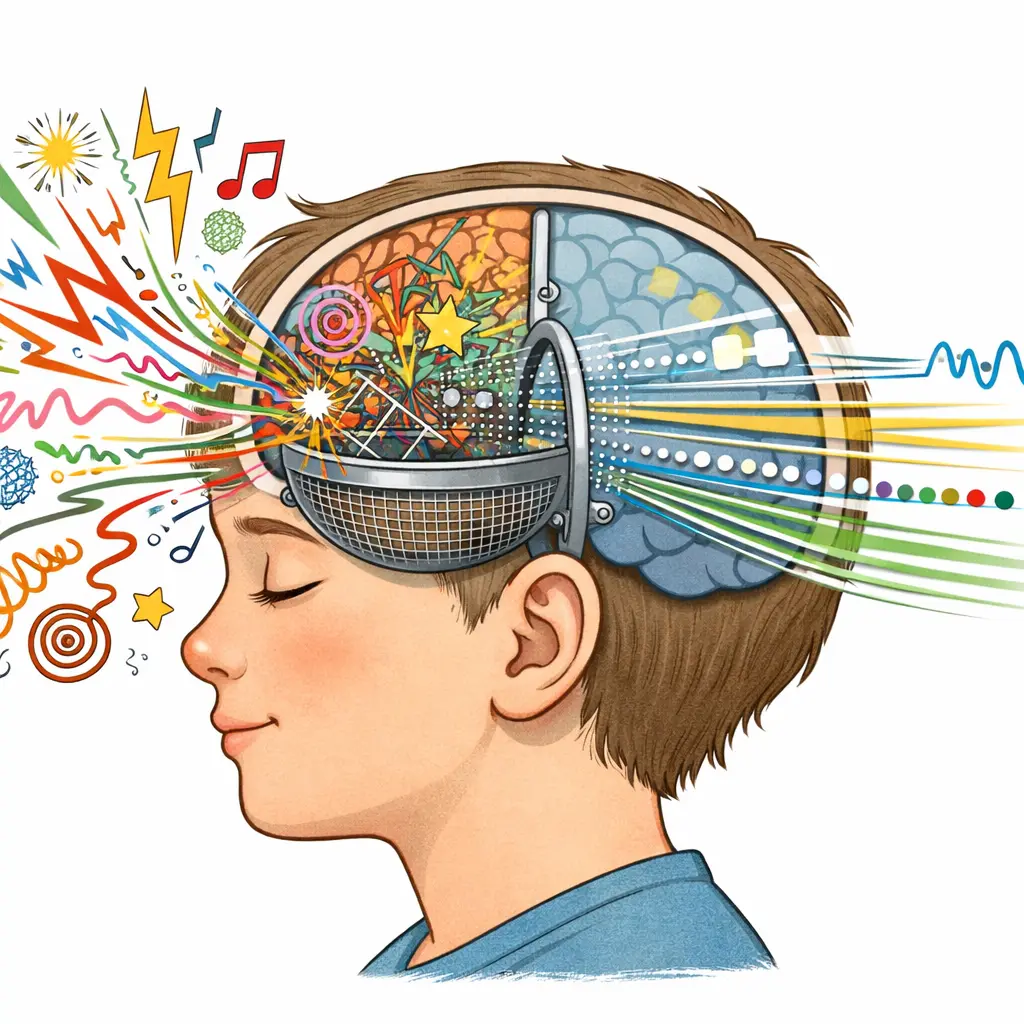
A diagnosis of mild intellectual disability (MID) can bring clarity, but also a flood of questions about a child’s future in school and beyond. This condition, on the milder end of the intellectual disability spectrum, means a child will learn and develop life skills at a slower pace than peers, yet possesses a tremendous capacity for growth. With the right understanding and support, children with a mild intellectual disability can achieve remarkable independence. This comprehensive guide breaks down the early signs, explains the critical differences between IEPs and 504 Plans—helping you advocate for the right educational path—and outlines realistic, hopeful long-term outcomes for adulthood, empowering you to build a supportive roadmap for your child’s journey.
Understanding Mild Intellectual Disability: A Focus on Adaptive Skills
Mild intellectual disability is defined by significant limitations in two areas: intellectual functioning (like reasoning and problem-solving) and adaptive behavior (the conceptual, social, and practical skills used in everyday life). While an IQ score between 50-70 is often part of the clinical picture, the true measure of MID lies in adaptive functioning. This means a child may grasp concrete concepts well but struggle with abstract thought, need more time and repetition to learn academic material, and require explicit instruction for social interactions and daily tasks like managing time or personal hygiene. Recognizing that mild intellectual disability represents a unique learning profile, not a ceiling on potential, is the first step toward effective support.
Recognizing the Signs: From Early Childhood to School Age
The signs of a mild intellectual disability are often subtle and may not become fully apparent until a child faces the structured demands of school. Awareness of these developmental patterns is key for early intervention.
In Preschool Years (Ages 3-5):
- Language Delays: Speaking later than peers, using shorter sentences, and having a smaller vocabulary.
- Cognitive Milestones: Taking longer to learn basic colors, shapes, numbers, and the alphabet.
- Social Interaction: Often engaging in parallel play (alongside other children) rather than cooperative, interactive play.
- Self-Care Skills: Needing more assistance and time to become proficient in dressing, feeding, and toilet training.
During the School Years (Ages 6-18):
- Academic Challenges: Persistent difficulties with reading comprehension, math concepts, and written expression. These students often learn best through hands-on, practical activities and consistent review.
- Executive Functioning: Notable trouble with organizing tasks, managing time, following multi-step directions, and applying a learned skill in a new context.
- Social Development: Social maturity may lag behind peers. A child with MID might misread social cues, have difficulty forming and maintaining friendships, and display a naivete that can lead to vulnerability.
- Practical Reasoning: Challenges with understanding money, telling time, grasping cause-and-effect in daily situations, and exercising appropriate personal safety judgment.
It’s crucial to differentiate these consistent patterns from temporary setbacks or specific learning disabilities. A formal evaluation by a school psychologist or developmental pediatrician is essential for an accurate diagnosis of mild intellectual disability.
IEP vs. 504 Plan: Choosing the Right Educational Support
Once a mild intellectual disability is identified, securing formal educational support is paramount. The decision between an Individualized Education Program (IEP) and a 504 Plan has long-lasting implications.
The Individualized Education Program (IEP)
- Governing Law: The Individuals with Disabilities Education Act (IDEA).
- Purpose: For students whose disability (including mild intellectual disability) adversely affects educational performance and requires specially designed instruction.
- What It Offers: A comprehensive, legally binding document with customized annual goals, specialized instruction (often in a small-group setting), related services (e.g., speech or occupational therapy), and both accommodations (how they learn) and modifications (what they learn, e.g., a simplified curriculum).
- The Verdict: For the vast majority of students with a mild intellectual disability, an IEP is the necessary and appropriate choice. Their need for a modified pace, adapted curriculum, and direct instruction in adaptive skills aligns perfectly with IEP services.
The 504 Plan
- Governing Law: Section 504 of the Rehabilitation Act.
- Purpose: For students with a disability that substantially limits a major life activity (like learning) but who can progress in the general curriculum without specially designed instruction.
- What It Offers: A plan detailing accommodations only, such as extended test time, preferential seating, or breaks. It does not change the grade-level curriculum.
- The Verdict: A 504 Plan is generally insufficient for mild intellectual disability, as it lacks the mechanism for curriculum modification and specialized teaching essential for these learners.
Choosing the IEP ensures your child’s education is built around their unique needs, a principle explored in depth in our pillar resource on Understanding Intellectual Disability.
Crafting a Strong IEP for Mild Intellectual Disability
An effective IEP for a student with MID is a dynamic tool focused on holistic development. Key components should include:
- Functional Academic Goals: Prioritize reading for understanding labels and instructions, practical math for money and time management, and writing for daily communication (emails, forms).
- Adaptive Behavior Goals: These are critical. Include measurable objectives for social skills (initiating conversations, handling conflict), daily living (meal preparation, personal hygiene routines), and pre-vocational skills (task completion, following a work schedule).
- Essential Services: Specify access to Speech-Language Therapy to support social pragmatics and Occupational Therapy to build organizational and fine motor skills.
- Optimal Placement: A blended model is often best: specialized academic instruction in a resource room combined with inclusive time in general education classes for social integration and electives.
- Transition Planning (Initiating by Age 14-16): This is a legal requirement and the bridge to adulthood. The IEP must include post-secondary goals for further education/training, employment (with supports like a job coach), and independent living, directly shaping positive long-term outcomes.

Long-Term Outlook: Building a Fulfilling Adult Life
With consistent support and early transition planning, adults with a mild intellectual disability can lead fulfilling, semi-independent lives. The focus shifts from school-based learning to community inclusion and personal autonomy.
- Meaningful Employment: Many excel in structured, hands-on roles. Supported employment programs provide job coaches and training. Common fields include retail associate, kitchen assistant, custodial work, stock clerk, and grounds maintenance.
- Independent Living Options: Success ranges from supervised independent living (own apartment with weekly check-ins) to shared supportive housing (group homes). The goal is to match the living environment with the individual’s mastered life skills and need for structure.
- Social and Community Engagement: Building a social network may require facilitated opportunities. Participation in community recreation programs, social clubs for adults with disabilities, and volunteer work are invaluable for fostering connections and combating isolation.
- Lifelong Learning: Continuing education through adult literacy classes, vocational courses, or community center programs supports ongoing personal growth and adaptation.
Navigating a path with mild intellectual disability is a collaborative journey of advocacy, patience, and celebration of small victories. By understanding the signs, championing a robust IEP, and proactively planning for the transition to adulthood, you lay a foundation for your child to build a future rich with personal achievement, community connection, and increasing independence.