instagram.com/SpecialKidsEducation

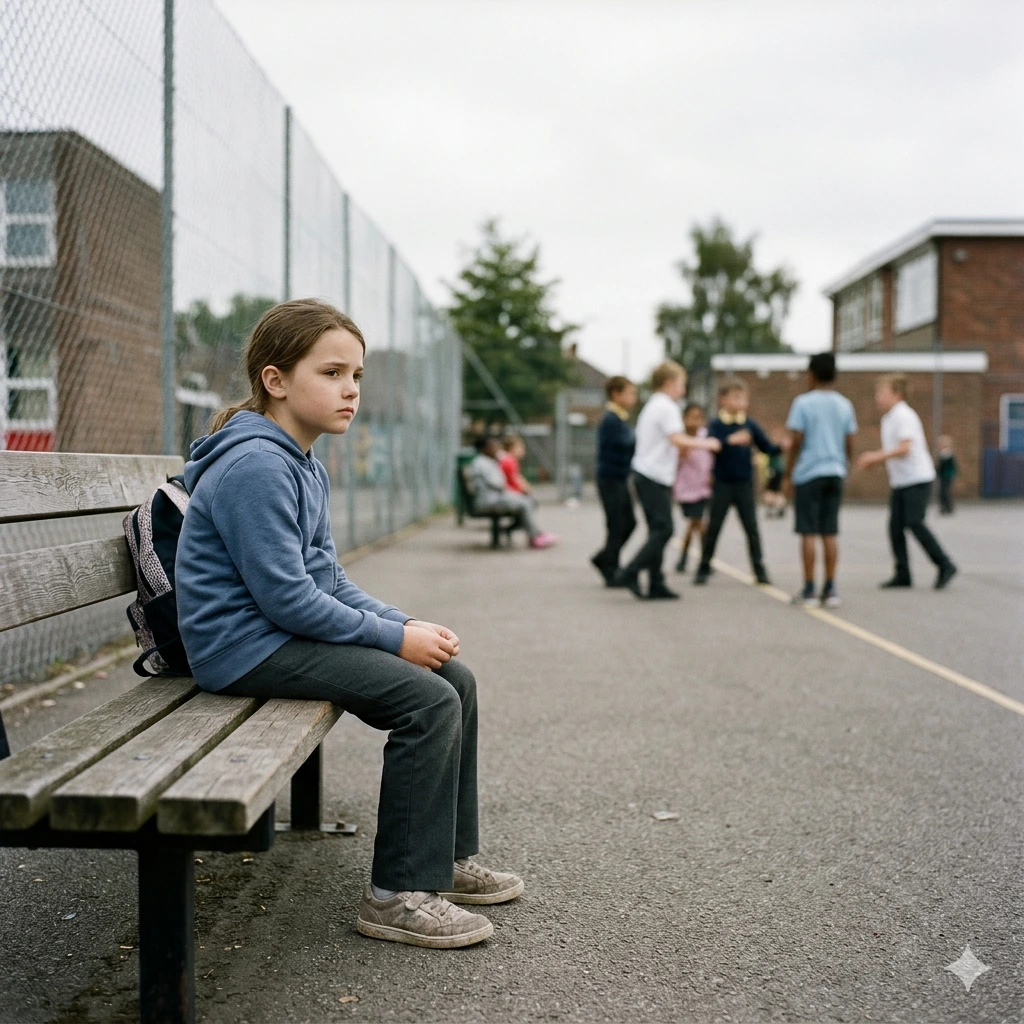
Some children act out. They scream, throw things, and defy every rule. Others suffer in silence. They withdraw to their rooms, carry invisible weights of worry, and cry themselves to sleep without anyone knowing. These quiet struggles are called internalizing behaviors in children. Unlike externalizing behaviors (aggression, defiance), internalizing behaviors are directed inward. They are often overlooked because they don’t disrupt the classroom or the household. But the pain is real, and the consequences can be severe. Recognizing the signs of internalizing behaviors in children—anxiety, depression, and social withdrawal—is the first step toward getting your child the help they need. This guide will help you understand what these behaviors look like, distinguish them from typical shyness or moodiness, and provide practical strategies for support at home and school.
What Are Internalizing Behaviors? Understanding the Hidden Struggles
Internalizing behaviors in children are emotional and behavioral problems that are directed inward, rather than outward. They include excessive anxiety, persistent sadness, social withdrawal, and somatic complaints (headaches, stomachaches without medical cause). Children with internalizing behaviors often appear quiet, compliant, and “easy” — which is precisely why their suffering goes unnoticed. They may be described as shy, sensitive, or dramatic. But when these patterns are persistent and interfere with daily functioning, they signal a genuine need for support. Understanding these hidden struggles is central to our pillar resource, Emotional and Behavioral Disorders in Children: 7 Early Warning Signs Every Parent Must Know.
Internalizing behaviors in children often co-occur. A child with anxiety may also experience depression. A depressed child may withdraw socially. Recognizing the overlap helps parents and teachers see the full picture.
Recognizing Anxiety in Children: More Than Just Worry
All children feel anxious sometimes. Internalizing behaviors in children become a concern when anxiety is excessive, persistent, and interferes with daily life.
Signs of Anxiety in Children
- Excessive worry: Worrying about school, friends, safety, health, or family members — far more than peers.
- Physical symptoms: Frequent headaches, stomachaches, nausea, or fatigue without medical cause. These often occur before school or social events.
- Avoidance behaviors: Refusing to go to school, attend parties, sleep alone, or try new activities. Avoidance provides short-term relief but reinforces long-term fear.
- Reassurance seeking: Repeatedly asking “Are you sure?” “Will I be okay?” “What if…?”
- Sleep difficulties: Trouble falling asleep, nightmares, or needing a parent to stay until they fall asleep.
- Perfectionism: Extreme fear of making mistakes, erasing work repeatedly, or refusing to try if success isn’t guaranteed.
- Irritability: Anxiety often looks like anger in children. They may seem “moody” or “explosive” when overwhelmed.
Types of Anxiety Disorders in Children
- Generalized Anxiety Disorder (GAD): Worry about many different things — school, health, family, world events.
- Social Anxiety Disorder: Intense fear of being judged, embarrassed, or rejected by peers. May avoid speaking in class, eating in front of others, or attending parties.
- Separation Anxiety Disorder: Extreme fear of being away from parents or home. May refuse school, sleep alone, or follow parents from room to room.
- Specific Phobias: Intense fear of specific objects or situations (dogs, needles, thunderstorms, vomiting).
- Panic Disorder: Sudden, intense episodes of fear with physical symptoms (racing heart, sweating, shaking, feeling of doom).
Recognizing Depression in Children: More Than Sadness
Childhood depression is real, and it’s more common than many realize. Internalizing behaviors in children with depression often look different from adult depression.
Signs of Depression in Children
- Persistent sadness or irritability: Unlike adults who primarily feel sad, depressed children often seem cranky, irritable, or angry.
- Loss of interest: No longer enjoys activities they once loved. May stop playing with friends, quit sports, or abandon hobbies.
- Changes in appetite or sleep: Eating much more or much less than usual. Trouble sleeping or sleeping too much.
- Low energy and fatigue: Constantly tired, moves slowly, complains of being bored.
- Feelings of worthlessness or guilt: “I’m stupid.” “Nobody likes me.” “Everything is my fault.”
- Difficulty concentrating: Trouble focusing on schoolwork, forgets instructions, seems spacey.
- Self-harm or talk of death: Cutting, burning, or hitting themselves. Talking about death, dying, or wanting to disappear. If your child expresses suicidal thoughts, seek immediate professional help.
Important: Not every child with depression will have all these signs. Look for changes from their baseline personality. A usually happy child who becomes withdrawn and irritable may be depressed.
Recognizing Social Withdrawal: When Peers Become Opponents
Social withdrawal is one of the most common internalizing behaviors in children, yet it is often mistaken for shyness. The difference is persistence and distress.
Signs of Problematic Social Withdrawal
- Spending nearly all free time alone: Prefers solitary activities (reading, screens, drawing) to playing with peers.
- Actively avoids social situations: Hides during playdates, leaves the playground when other children arrive, refuses birthday parties.
- No close friends: Has acquaintances but no one they regularly play with or confide in.
- Anxiety about peer interactions: Worries excessively about what other children think. Replays social interactions obsessively.
- Somatic complaints before social events: Headaches, stomachaches, or tantrums before school, parties, or family gatherings.
- Social skill deficits: May not know how to start conversations, enter group play, or respond to teasing. Withdraws because they don’t have the skills to engage.
Social Withdrawal vs. Healthy Introversion
Not all children who prefer alone time have a problem. Healthy introverts enjoy solitary activities but can engage socially when they choose. They have friends, even if few. They don’t experience severe distress at the idea of social interaction. In contrast, children with problematic internalizing behaviors in children are isolated by fear or sadness, not by preference.
Why Internalizing Behaviors Are Often Missed
Internalizing behaviors in children are the “invisible disabilities” of mental health. Because these children don’t disrupt the classroom or cause chaos at home, they are often overlooked. Teachers may describe them as “model students” — quiet, compliant, never a problem. Parents may see them as “easy” or “just sensitive.” But inside, they may be suffering profoundly. Without identification, these children rarely receive the support they need. They may be labeled as lazy, dramatic, or shy — missing the diagnosis that could change their lives. Recognizing internalizing behaviors in children requires looking beneath the surface. It requires asking: “Is my child happy? Do they have friends? Are they sleeping and eating well? Do they seem weighted down by worry or sadness?”
How to Support a Child with Internalizing Behaviors at Home
If you recognize these internalizing behaviors in children in your own child, here are practical steps you can take.
- Validate their feelings without judgment: “I see you’re really worried about the party. That makes sense. Let’s talk about what’s hard about it.” Avoid dismissing: “Don’t be silly. It’ll be fine.”
- Name emotions: Help your child build an emotional vocabulary. “It sounds like you’re feeling anxious. Anxious means your body feels tight and your thoughts are spinning. Is that right?”
- Teach coping strategies: Deep breathing, grounding techniques (naming 5 things you see, 4 you feel, 3 you hear, 2 you smell, 1 you taste), progressive muscle relaxation, or using a calm-down kit.
- Gradually face fears: For anxious children, avoidance reinforces fear. Use small, manageable steps. “You’re nervous about the birthday party. Let’s go for just 15 minutes. We can leave early if you need to.”
- Encourage social connection in low-pressure settings: One-on-one playdates with a familiar friend, small group activities, or interest-based clubs (chess, art, coding) where the focus is on an activity, not on social performance.
- Model healthy coping: Let your child see you manage your own stress. “I’m feeling overwhelmed. I’m going to take three deep breaths.”
- Maintain routines: Predictable schedules reduce anxiety. Consistent bedtimes, mealtimes, and homework times provide security.
- Limit reassurance cycles: For anxious children who seek constant reassurance, gently redirect. “You’ve asked that question already. What do you think?”
How Schools Can Support Children with Internalizing Behaviors
Teachers and school counselors play a vital role in identifying and supporting internalizing behaviors in children.
- Create a safe classroom culture: Normalize asking for help, making mistakes, and feeling worried. Use class meetings to discuss emotions.
- Offer low-stakes opportunities for participation: Some children with social anxiety cannot speak in front of the whole class. Offer alternatives: writing answers, working in a small group, or speaking one-on-one with the teacher.
- Use check-ins: A simple daily “How are you feeling?” on a scale of 1-5 can help identify when a child is struggling.
- Provide a “break pass”: Allow the child to take a 5-minute break in a designated calm space (counselor’s office, quiet corner) without penalty.
- Teach social skills explicitly: Many children with internalizing behaviors don’t know how to initiate conversations, join group play, or handle teasing. Direct instruction can help.
- Consider a 504 Plan or IEP: For severe internalizing behaviors, accommodations (preferential seating, extra time, reduced homework, check-ins with counselor) can be formalized.
When to Seek Professional Help
If internalizing behaviors in children are persistent (lasting weeks or months), severe (interfering with school, friendships, or family life), or accompanied by self-harm or suicidal thoughts, seek professional help immediately.
- Start with your pediatrician: Rule out medical causes for physical symptoms (headaches, stomachaches). Get a referral to a child psychologist or psychiatrist.
- Look for a therapist trained in evidence-based treatments: Cognitive Behavioral Therapy (CBT) is highly effective for anxiety and depression in children. Exposure therapy helps with phobias and social anxiety.
- Consider medication: For moderate to severe anxiety or depression, medication (SSRIs) combined with therapy is often most effective. A child psychiatrist can guide this decision.
- Request a school evaluation: If internalizing behaviors are impacting school performance, request a special education evaluation in writing. Your child may qualify for an IEP under Emotional Disturbance (ED) or Other Health Impairment (OHI) for anxiety.
For a step-by-step guide to requesting an evaluation, see How to Request an IEP for a Learning Disability: A Step-by-Step Parent Guide (the process is similar for EBD).
Frequently Asked Questions (SSS)
Q: How can I tell the difference between normal worry and an anxiety disorder?
A: All children worry. The difference is persistence, intensity, and interference. If your child’s worry lasts for weeks or months, feels overwhelming, and gets in the way of school, friendships, or family life, it may be an anxiety disorder. If they are avoiding activities they used to enjoy or experiencing physical symptoms (headaches, stomachaches) regularly, seek an evaluation.
Q: My child seems sad but won’t talk to me. What should I do?
A: Some children can’t articulate their feelings. Try alternative approaches: drawing together, going for a walk, listening to music, or playing a game. Sometimes talking side-by-side (rather than face-to-face) lowers pressure. If they still won’t open up, a therapist can provide a safe space. The most important thing is to keep the door open without pushing. “I’m here whenever you’re ready to talk. Even if you don’t know what to say.”
Q: Is social media causing my child’s internalizing behaviors?
A: Social media can contribute to anxiety and depression, especially for children who already have a vulnerability. Comparisons, cyberbullying, and sleep disruption are real concerns. However, social media is rarely the sole cause. If your child is struggling, a comprehensive evaluation can identify all contributing factors and appropriate treatments.
Q: Will my child outgrow these internalizing behaviors?
A: Some children do outgrow mild anxiety or shyness. But persistent, severe internalizing behaviors rarely disappear without intervention. In fact, untreated childhood anxiety and depression increase the risk of adult mental health disorders. Early intervention is effective and can prevent years of suffering. Don’t wait to see if they’ll outgrow it.
Q: Can internalizing behaviors lead to externalizing behaviors?
A: Yes. Some children who internalize stress eventually externalize it. A child who has been quietly anxious or sad for years may begin to act out — screaming, destroying property, or becoming aggressive — when they can no longer contain their distress. This is sometimes called the “pressure cooker” effect. Early recognition of internalizing behaviors can prevent this escalation.
Conclusion: Seeing the Quiet Struggles, Offering Hope
Internalizing behaviors in children are easy to miss because they don’t make noise. The anxious child sits quietly, worrying. The depressed child withdraws to their room. The socially withdrawn child suffers alone. But you can see them. You can ask the questions, notice the patterns, and offer help. Recognizing internalizing behaviors in children is not about labeling or pathologizing normal emotions. It’s about noticing when a child’s suffering has gone on too long, when their worry has become a cage, when their sadness has become a weight. Your recognition is the first step toward healing. With validation, coping strategies, school support, and professional help when needed, children with internalizing behaviors can learn to manage their anxiety, lift their depression, and connect with others. They can move from suffering in silence to thriving out loud. And you can help them get there.